This is a series on Gemstones that I will present over the next few weeks.

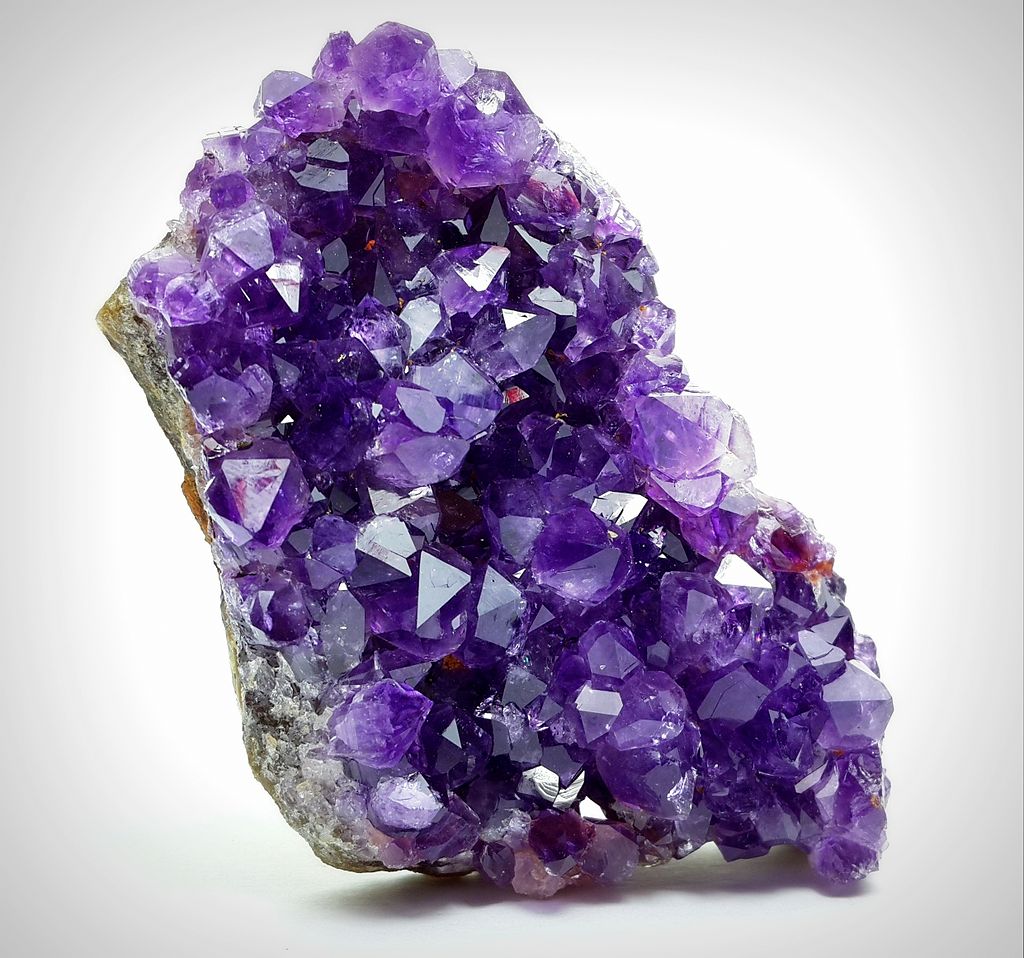
Amethyst: A Gemstone of Peace, Power, and Purpose
The name Amethyst is derived from the ancient Greek word “Amethyst’s,” which translates to “not intoxicated.” Ancient Greeks believed this stone prevented drunkenness. They would often carve drinking vessels from it or wear amulets to guard against overindulgence. This belief extended into the Middle Ages when European soldiers wore amethyst into battle for protection.
Amethyst is a semi-precious stone found in regions like Siberia, Sri Lanka, Brazil, and Uruguay. A rare and sought-after variety, Brandberg Amethyst, is located in Namibia, Africa.
Archaeological finds in Anglo-Saxon graves across England have unearthed many amethyst beads, proving its significance through time and culture.
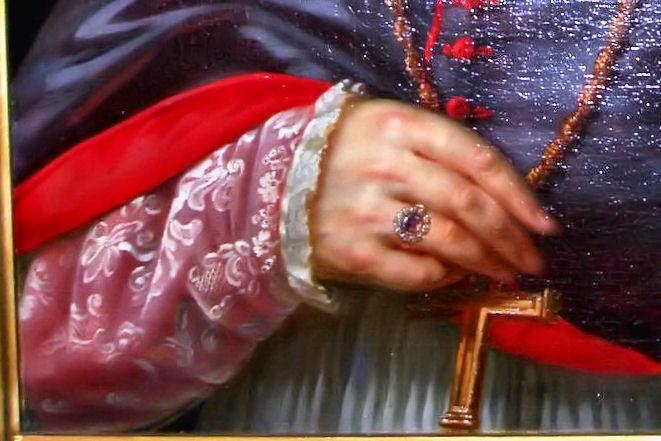
Interestingly, Anglican bishops traditionally wear an Episcopal ring set with amethyst—a nod to Acts 2:15 where the Apostles are described as “not drunk” at Pentecost.
The Legend of Amethyst
I liked the picture of this and shared it in its YouTube form. It’s a version of the story below. I’m not in agreement with the myth as I believe in the One true God, the Creator of Heaven and Earth, but I was raised in Greek Mythology while attending parochial school and I like the old legends.
The French Renaissance poet Rémy Belleau (1528–1577) gave us a beautiful legend in his poem “L’Améthyste, ou les Amours de Bacchus et d’Améthyste” (Amethyst or the Loves of Bacchus and Améthyste).
Here’s a retelling of that myth:
Dionysus, the Greek god of wine and revelry, was once enraged by a mortal insult. In his drunken fury, he summoned two ferocious tigers, vowing vengeance on the next mortal he encountered. That mortal was a young maiden named Amethystos. As the tigers approached, Amethystos cried out to Artemis, goddess of the hunt, who responded by turning her into a clear crystalline statue to protect her.
Sobered by the sight and remorseful, Dionysus wept. His tears, soaked with wine, stained the crystal statue a deep purple, creating the first amethyst.
Amethyst and Spiritual Insight
Amethyst is more than a beautiful gem—it’s a powerful spiritual tool. I believe it works in harmony with the Spirit of the Lord, helping us mature in our spiritual journey. It invites us to:
- See truth through the Spirit of Wisdom
- Perceive God’s design for our lives through the Spirit the Lord
- Stay grounded in the Fear of the Lord
- Receive heavenly downloads through our spiritual “crown”
This aligns with teachings in the Seven Spirits of God (Isaiah 11:2): Wisdom, Understanding, Counsel, Might, Knowledge, Fear of the Lord, and the Spirit of the Lord. What I have been learning Hebrew from a Facebook group called Vinepress, where John A. Scotland and Margie Hogg share about Hebrew living letters. In one of John’s recent videos, he added the gematria (numerical value) of the first three Hebrew letters:
- Aleph (1) – God
- Beit (2) – Christ
- Gimmel (3) – Holy Spirit
The total is 6, the value of Vav, which means “hook”—symbolizing a connection between heaven and earth. Amethyst, working with the crown area, mirrors this divine transmission.

Amethyst and the Seven Parts of the Brain
In the concept of the Seven Spirits of God (were called chakras around 1500-500 B.C), which were written in the book of Isaiah in 800 B.C, Each of the Seven Spirits of God also corresponds with the seven major regions of the brain:
- Frontal Lobe
- Parietal Lobe
- Temporal Lobe
- Occipital Lobe
- Cerebellum
- Brain Stem
- Basal Ganglia
These brain centers send messages throughout the body, just as the Seven Spirits of Isaiah 11:2-3a guide and equip us. We are temples of the living God, and I believe the temple articles in Scripture reflect these same seven systems.
This parallels the Gifts of the Spirit in Romans 12:6–8:
“If your gift is prophesying, then prophesy… if serving, then serve; if teaching, then teach; if to encourage, then encourage; if giving, then give generously; if to lead, do it diligently; if showing mercy, do it cheerfully.”
These roles—Prophet, Servant, Teacher, Exhorter, Giver, Ruler, Mercy—are also represented in the body and spirit.
Amethyst in Scripture
Amethyst is mentioned in the Bible as one of the stones in the High Priest’s breastplate:
“You shall set in it four rows of stones… the third row: a jacinth, an agate, and an amethyst.”
—Exodus 28:19
This ancient reference shows that amethyst has been honored since Creation as a spiritual tool and treasure.
The Science Behind the Stone
Amethyst is a form of quartz, composed of Silicon Dioxide (SiO₂)—a compound made largely of sand. Silicon Dioxide is found in many foods and pharmaceuticals.
Brandberg Amethyst contains trace elements like iron, copper, and titanium. These elements influence its color and energetic frequency.
I’m not a scientist, but I’ve always been curious. Years ago, I built a gemstone database using the periodic table to study how different minerals affect us. I wish someone had taught me science using gemstones and plants back in school—it would’ve clicked!
Atoms, the building blocks of matter, comprise protons, neutrons, and electrons. Each element is defined by its number of protons—copper, for instance, has 29. The presence of these elements in gemstones like amethyst, gives them unique properties.
Emotional & Healing Properties of Amethyst
Known as a natural tranquilizer, amethyst promotes:
- Stress relief and emotional balance
- Reduction in anxiety, anger, and irritability
- Deeper rest and sleep
- Clarity of thought
- A calm, centered heart
Many believe it helps clear negative emotions and create a peaceful environment. For those walking through difficult emotional or spiritual seasons, amethyst can be a gentle support in processing feelings with God’s presence.
Custom Amethyst Jewelry
I have several amethyst pieces in my shop and would be happy to create a custom design just for you. If you feel drawn to this stone—whether for its beauty, biblical history, or healing energy—let’s create something that speaks to your heart.
Images:By Gonzalo Devia – Own work, CC BY-SA 4.0, Amethyst stone from Uruguay
Amethyst ring: Public Domain, https://commons.wikimedia.org/w/index.php?curid=1356897
own picture takenCarolus 17:46, 10 November 2006 (UTC)
 Eagle's Garden