
What do you know about grafting? Taking a branch from one olive tree to another is a common practice in surgery and plant propagation to increase Olive production.
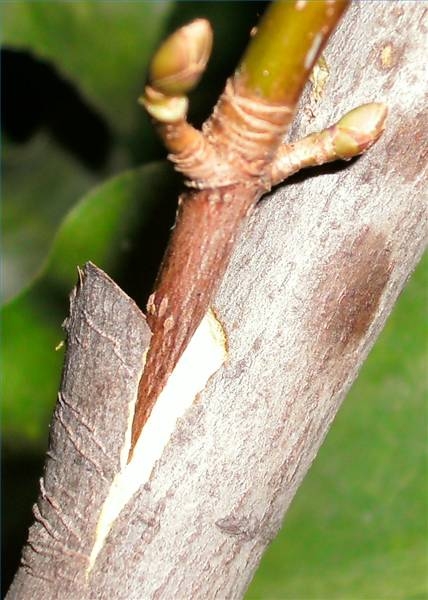
In the same sense, when we talk about the grafting in Romans 11:11.
Paul discusses grafting and how the Gentiles were the first to receive salvation in Romans 11.
“Lest you be wise in your own sight, I do not want you to be unaware of this mystery, brothers: a partial hardening has come upon Israel until the fullness of the Gentiles has come in. 11:25
The Jewish people did not exactly give Gentiles a warm welcome; instead, it was God Himself who, in His infinite wisdom, grafted them into the gift of salvation. A gift that was originally intended for the Jewish people, but they had rejected Him.
“For if you were cut from what is by nature a wild olive tree, and grafted, contrary to nature, into a cultivated olive tree, how much more will these, the natural branches, be grafted back into their own olive tree?” Romans 11:24.
Our point is this: we, the Gentiles, brought Jesus to the spiritual party. His presence completed every sacrifice, festival, and celebration that the Jewish tribes had long relied on to draw closer to God.
Despite this profound revelation, the Jewish community continues to search for that elusive element. Curiously, the Gentiles, even though they are joined into the same spiritual tree, may find it hard to be fully assimilated into it.
Paul addressed the Roman Gentiles to explain the reason behind this. “For if their rejection means the reconciliation of the world, what will their acceptance mean but life from the dead?” Romans 11:15.
Church services often overlook the importance of the grafting process. We ignore the tribal festivals and feasts such as Passover and our meaningful contributions to the faith. Also, the profound message of who Christ is often goes unnoticed, not just by the Jewish people, but by a significant portion of the world. The misuse of the Lord’s name to support different agendas has contributed to a misunderstanding of His essence.
The third book of mine, “Sara’s Homecoming,” has a moving story where a village led by a church supports Sara’s recovery after a tough time. They don’t understand God’s love when they see these girls who didn’t choose their situations as anything less than a reflection of His love and grace.
What’s intriguing is that, much like in the story, sometimes God’s divine plans can take unexpected turns. Joshua had a plan, but my protagonist Brad’s refusal of a task led to a divine alteration of those plans and why the girls were not in a viable place to recover. It’s a reminder that sometimes, our own pride needs to step aside to make room for God’s greater purpose.
Similarly, the fellowship of believers who have failed to grasp the complexities of the grafting process has shown the concept I delve into in the book.
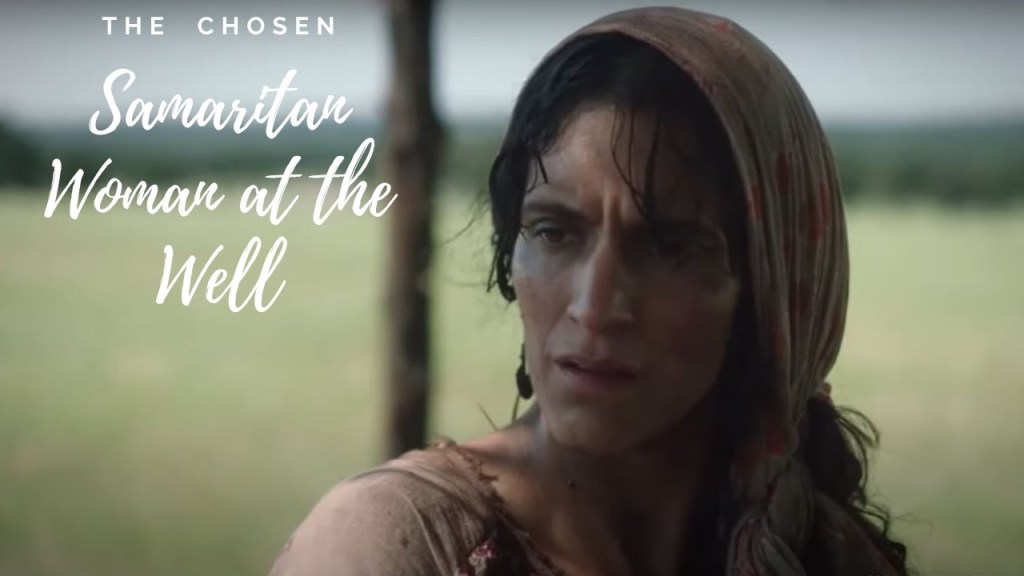
In the book “Beneath the Mask,” I wrote an anthology on how looking at the COVID mandates the church needed to close its doors for a time. The timing was good for the church members to learn how to worship using the Jewish lifestyle. Jesus abolished the laws of Deuteronomy and showed love and compassion to a woman who had been married 5 times and was living with a lover. It wasn’t her fault. But during that time, the man could put his wife out of the house with no written notice or divorce decree. (Watch the 3rd season of “The Chosen” where she gives her husband a writ, and he burns it). 5 times this occurred and she found someone who loved her as she wanted to be loved. But she didn’t know about the love of Christ until He explained it to her. Did she leave her lover? The Bible doesn’t say, but I think when she found the love that Christ gave, it was more to her than what the lover could give.
In the book of Ephesians, 4:22-24 states “to put off your old self, [a] which belongs to your former manner of life and is corrupt through deceitful desires,
23 “and to be renewed in the spirit of your minds,
24 “and to put on the new self, created after the likeness of God in true righteousness and holiness.” The Jewish lifestyle was all about holiness, and making sure there was no leaven in the dough, so to speak. God was their life, every being of their body, and they had the promise of the One to come, but didn’t believe it was Jesus.
The Jewish people knew the ins and outs of all the feasts and festivals and honored them daily. Here was our chance now to live out the life of Christ and learn who He was in the festivals and feasts of the Jewish faith. We forget even Christ celebrated the feasts as well. During Passover, He gave the bread and the cup of redemption new meaning by calling them His body and blood. Passover was done and complete.

The church celebrates Passover with communion, but there’s more to the festival that we should remember. It’s part of our heritage.
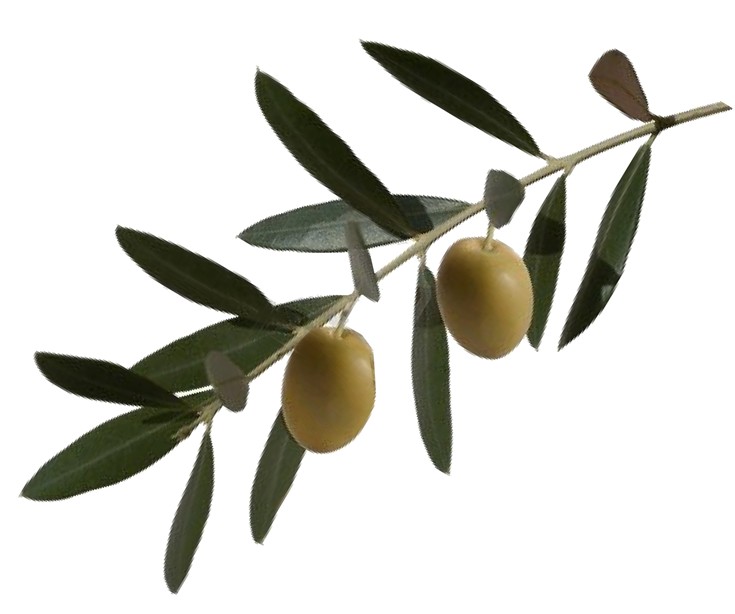
It’s crucial for us to recognize the need for repentance in how we became part of the spiritual olive tree. Both the Ekklesia tribe and the Tribe of Judah can seek forgiveness for their inability to fully comprehend God’s plan. By extending a symbolic olive branch to the Father as a gesture of reconciliation and humility.
 Eagle's Garden
One thought on “It’s our season to learn about Grafting”